Anticimex 3D Sanidad Ambiental / Wisecon Estrategia de Plataforma: The Smart Future of Environmental Health
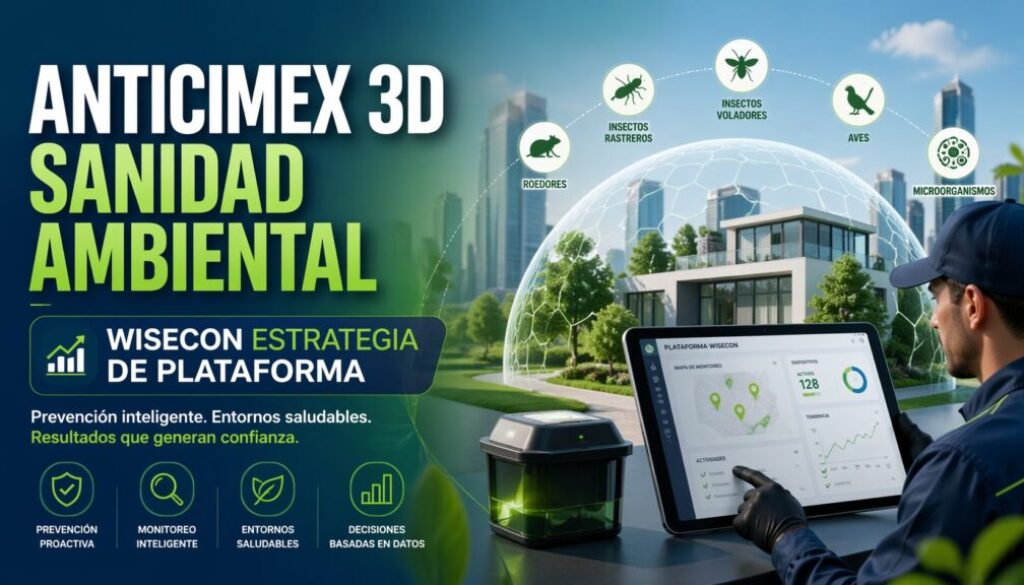
Environmental health has always mattered, but the way we manage it is changing fast. Businesses, hospitals, food facilities, and city authorities can no longer rely on old-fashioned pest control methods that react only after a problem appears. They need something smarter, faster, and more reliable. That is exactly where Anticimex 3D Sanidad Ambiental and the Wisecon Estrategia de Plataforma come in.
This system brings together real-time digital monitoring, intelligent sensors, and a centralized data platform to deliver environmental protection that works around the clock. It is not just about catching pests. It is about building a connected, proactive approach to hygiene, safety, and compliance that keeps facilities protected every single day.
What Is Anticimex 3D Sanidad Ambiental?
Anticimex is a pest control and environmental services company with roots going back to Sweden in the 1930s. Over the decades, it has grown into a global organization operating across Europe, the Americas, and beyond. Its Spanish division, Anticimex 3D Sanidad Ambiental, serves businesses, municipalities, and institutions across Spain with a wide range of environmental health services.
The name “3D” stands for three core service areas: disinfection, disinfestation, and rodent control. But beyond these traditional pillars, the company has evolved into a technology-driven operation. Services now include bird management, water system hygiene, indoor air quality monitoring, fumigation, wood protection, and phytosanitary treatments, covering almost every environmental health need a modern organization might face.
What truly sets Anticimex 3D apart is its commitment to prevention over reaction. Rather than waiting for a visible infestation before taking action, the company deploys connected devices and monitoring tools that detect risk early. This shift from reactive to proactive environmental management is the foundation of everything they do.
Understanding the 3D Approach: Detection, Data, and Defense
The “3D” model is built on three intelligent pillars that work together seamlessly. The first is Detection, which uses smart traps and IoT sensors placed throughout a facility to monitor activity 24 hours a day, seven days a week. Unlike traditional inspections that happen on a schedule, detection happens continuously, which means no gap in coverage.
The second pillar is Data. Every signal from every sensor flows into a centralized platform where it is analyzed automatically. Patterns are identified, anomalies are flagged, and trends are tracked over time. This turns raw environmental data into clear, actionable intelligence that facility managers and technicians can actually use.
The third pillar is Defense. Based on what the data reveals, targeted interventions are carried out only where and when they are truly needed. This precision approach reduces unnecessary chemical treatments, saves time, and leads to better long-term outcomes for both the facility and the surrounding environment.
Who Is WiseCon and What Is the Estrategia de Plataforma?
WiseCon is a Danish company that specializes in smart traps, environmental sensors, and digital monitoring systems. Anticimex first partnered with WiseCon in 2015 by acquiring a minority stake, and by 2017 it had completed a full acquisition. Following this, Anticimex established the Anticimex Innovation Center in Helsinge, Denmark, turning WiseCon into the group’s global hub for digital pest control development.
The Wisecon Estrategia de Plataforma refers to the strategic approach of using WiseCon’s technology as a shared digital backbone across all of Anticimex’s operations worldwide. It is not simply about hardware. It is about creating a unified ecosystem where data from thousands of devices across multiple locations flows into one intelligent platform, enabling consistent monitoring, analytics, and reporting at scale.
For Anticimex 3D Sanidad Ambiental in Spain, this means local services are powered by globally developed technology. The platform allows the Spanish team to offer sophisticated digital solutions to their clients while staying connected to Anticimex’s broader innovation network. The result is a blend of local expertise and world-class digital infrastructure working hand in hand.
How the System Works in Practice
When a facility signs up for this integrated service, smart devices including sensors, electronic traps, and environmental monitors are installed at key points throughout the building. These devices communicate continuously with the WiseCon platform, sending data on movement, environmental conditions, trap activity, and more.
The platform processes all of this information automatically. If a risk threshold is crossed, an alert is generated and the relevant technician is notified immediately. This means problems are addressed within hours rather than days, and often before any visible damage or contamination occurs. Technicians visit only when the data indicates a need, making the process far more efficient than routine scheduled visits.
Clients gain access to clear, readable reports that show exactly what is happening across their facilities. They can see which areas triggered alerts, how many captures were recorded, and how conditions have changed over time. This level of transparency is especially valuable during regulatory audits and compliance reviews.
Industries That Benefit Most
Several industries have particularly strong needs for this kind of continuous environmental monitoring. The food production and processing sector is one of the most demanding environments when it comes to hygiene compliance. A single pest incident can trigger product recalls, regulatory fines, and serious reputational damage. Continuous monitoring and early detection prevent these costly outcomes before they happen.
Healthcare facilities such as hospitals and clinics depend on sterile, controlled environments to protect vulnerable patients. Smart monitoring systems track air quality, temperature, humidity, and pest activity simultaneously, giving healthcare operators a complete picture of their environmental health status at all times.
Other industries that benefit significantly include:
- Warehousing and logistics, where large spaces are vulnerable to rodent activity
- Hospitality, where guest satisfaction depends on spotless, pest-free environments
- Retail and supermarkets, where food safety and hygiene regulations are strictly enforced
- Municipal and urban infrastructure, where coordinated environmental programs protect public spaces
Sustainability and Reduced Chemical Use
One of the most important advantages of this approach is its positive environmental impact. Traditional pest control methods often involve regular application of pesticides across wide areas, regardless of whether activity has been detected. This leads to unnecessary chemical exposure for people, animals, and surrounding ecosystems.
The Anticimex 3D and WiseCon model changes this by making every treatment targeted and evidence-based. Because the system detects exactly where and when pest activity is occurring, chemicals are applied only in those specific locations and only when genuinely necessary. This dramatically reduces overall pesticide use across a facility over time.
For businesses working toward ESG (Environmental, Social, and Governance) goals, this kind of measurable reduction in chemical usage is a meaningful step forward. It demonstrates a commitment to responsible environmental stewardship that goes beyond basic compliance, aligning operational practices with broader sustainability values that investors and clients increasingly expect.
Digital Reporting and Regulatory Compliance
Keeping up with environmental health regulations is a constant challenge for businesses in sectors like food manufacturing, pharmaceuticals, and healthcare. Inspections and audits require detailed documentation of pest control activities, and gaps in that documentation can lead to serious consequences.
The WiseCon platform addresses this directly by storing historical data automatically. Every alert, every technician visit, every device reading is logged and available for review. When an audit arrives, facility managers can produce comprehensive records instantly, removing the stress and uncertainty that often comes with compliance reviews.
This automated documentation also helps businesses identify long-term trends. If pest pressure increases in a particular area during certain seasons, the data makes it visible. Managers can then take structural preventive steps, such as sealing entry points or redesigning waste storage areas, and use the platform to confirm whether those changes are actually working.
Why This Model Matters in 2026 and Beyond
As more facilities become connected through IoT technology, the integration of environmental monitoring into a single unified platform is becoming a standard expectation rather than a luxury. Businesses want systems that are scalable, easy to manage remotely, and capable of delivering real insights rather than just raw data.
The Anticimex 3D and Wisecon Estrategia de Plataforma model is built exactly for this moment. It combines decades of on-the-ground environmental health expertise with cutting-edge digital infrastructure, creating a system that grows smarter with every device added and every data point collected.
Looking ahead, the platform is likely to expand further into areas such as air quality management and water safety monitoring, broadening its scope beyond pest control into a comprehensive environmental intelligence service. For any organization that takes hygiene, safety, and sustainability seriously, this kind of integrated digital approach represents the direction the industry is heading.
Frequently Asked Questions (FAQs)
What does the “3D” in Anticimex 3D Sanidad Ambiental stand for?
The “3D” refers to the three traditional environmental health service areas: disinfection, disinfestation, and rodent control (desratización in Spanish). These three pillars form the foundation of the company’s environmental services, now enhanced by digital monitoring technology.
What is the Wisecon Estrategia de Plataforma?
It is the strategic framework through which Anticimex uses WiseCon’s technology as a shared digital backbone across its global operations. The goal is to connect local service branches to a centralized data platform, enabling consistent monitoring, analytics, and reporting worldwide.
How does the WiseCon platform improve pest control?
WiseCon connects smart traps and environmental sensors to a centralized digital system. This allows continuous real-time monitoring, automatic alert generation when risk levels are exceeded, and data-driven decision-making that replaces guesswork with evidence.
Which industries benefit most from Anticimex 3D and WiseCon?
Food production, healthcare, warehousing, hospitality, retail, and municipal services all benefit significantly. Any industry with strict hygiene regulations or where pest incidents can cause major operational or reputational damage gains real value from this system.
Does this approach reduce the use of pesticides?
Yes. Because treatments are applied only where and when the data indicates a genuine need, overall pesticide use is significantly reduced compared to traditional scheduled treatment programs. This supports sustainability goals and reduces environmental impact.
When did Anticimex fully acquire WiseCon?
Anticimex acquired an initial minority stake in WiseCon in 2015 and completed the full acquisition in 2017. Following the acquisition, Anticimex established the Anticimex Innovation Center in Helsinge, Denmark, making WiseCon the group’s central hub for digital pest control innovation.